
HVAC UV Light Installation in Salt Lake County
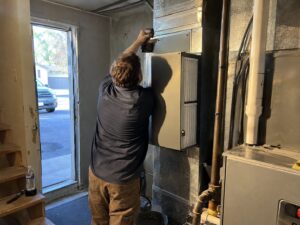
UV light treatment for HVAC equipment is one of the more commonly misunderstood indoor air quality services in residential HVAC. Manufacturers and contractors sometimes market UV systems with broad claims about “killing 99% of viruses and bacteria in your air,” which dramatically overstates what the technology actually does. At the same time, when properly installed targeting the right surfaces, UV-C light genuinely controls biological growth that accumulates on damp HVAC components — and that control matters for equipment longevity, indoor air quality, and the prevention of musty odors that come from contaminated HVAC systems.
The key distinction: UV-C light effectively inactivates microorganisms when it has adequate dwell time on a surface (continuously illuminating a coil surface 24/7, for example) but is much less effective at inactivating airborne pathogens in moving air streams (where each microbe is exposed to UV for only fractions of a second as it passes the lamp). The marketing that conflates these two scenarios isn’t honest. The actual proven application — surface treatment of HVAC coils and condensate pans — is genuinely valuable for the homes that need it.
Below is what UV light actually does in HVAC systems, when installation makes sense, what equipment we use, and what realistic expectations look like.
What UV-C Light Actually Does
UV-C is ultraviolet light at wavelengths of approximately 200–280 nanometers (typically 254nm for HVAC applications). This wavelength range disrupts the DNA and RNA of microorganisms exposed to it, preventing them from reproducing. With sufficient exposure, microorganisms become inactivated — they don’t necessarily die immediately, but they can no longer reproduce or cause infection.
Three factors determine UV-C effectiveness:
- Wavelength — must be in the germicidal range (200–280nm). UV-A and UV-B (which we encounter from sunlight) don’t have the same germicidal properties.
- Intensity — measured in microwatts per square centimeter (µW/cm²) at the target surface. Higher intensity allows shorter exposure time for equivalent effect.
- Exposure time — total dose is intensity × time. Continuous exposure to moderate intensity produces full inactivation; brief exposure to high intensity may not.
For HVAC applications, the practical implication: UV-C lamps illuminating an evaporator coil or condensate pan continuously (24/7 when the lamp is energized) deliver sufficient dose to inactivate microbes growing on those surfaces. UV-C lamps trying to inactivate airborne pathogens during their fractions-of-a-second pass through the lamp’s illumination zone deliver inadequate dose for full inactivation of most pathogens.
What UV Light Works For
Evaporator Coil Biological Growth Control
The single best-proven application for HVAC UV-C. Evaporator coils stay damp during cooling operation as condensate forms on the cold coil surfaces. Damp conditions plus organic material (dust, particulates that accumulate on the coil) create ideal growth conditions for mold, bacteria, and biofilm. Over time, biological growth on the evaporator coil:
- Produces musty smells that distribute through the supply air system
- Reduces coil heat transfer efficiency, increasing operating cost
- Contributes airborne biological particulates to the air stream
- Accelerates coil corrosion through microbiologically influenced corrosion processes
UV-C lamps installed inside the air handler and pointed at the evaporator coil illuminate the coil surface continuously, inactivating microorganisms on the wet surface before they can establish significant biofilm. Properly installed UV-C dramatically reduces coil biological growth.
Condensate Pan Biological Growth Control
The drain pan beneath the evaporator coil collects condensate and stays consistently wet during cooling season. The combination of standing water, organic material, and warm temperatures makes condensate pans ideal habitats for biological growth — algae, slime mold, bacteria, and biofilm that can clog drain lines, produce musty odors, and contribute biological aerosols to the air stream.
UV-C lamps pointed at the condensate pan inactivate the microorganisms growing on the pan surfaces and in the standing water. Properly installed UV-C in this application significantly reduces drain line algae problems and the musty smells that come from biological growth in condensate systems.
Air Handler Cabinet Surface Treatment
Various surfaces inside the air handler cabinet can accumulate biological growth — insulation lining, sheet metal interior surfaces, blower compartment surfaces. UV-C lamps with sufficient intensity and proper positioning can extend treatment effects beyond just the coil and condensate pan to broader cabinet surfaces. This is most useful in homes with chronic biological contamination issues or specific health concerns about HVAC-distributed biological aerosols.
What UV Light Doesn’t Work For (Despite Marketing)
In-Duct Air Sterilization
UV-C lamps installed in duct runs to “sterilize” moving air don’t deliver enough dose to fully inactivate most airborne pathogens. The math is straightforward: at typical residential duct air velocities (500–800 feet per minute), a microorganism passes through a typical UV lamp’s illumination zone in less than a second — often a fraction of a second. The UV dose required to fully inactivate many bacteria and viruses requires multiple seconds of exposure at typical residential UV lamp intensities. In-duct UV systems may inactivate the most susceptible organisms or reduce viable counts modestly, but they don’t deliver the “99% kill” claims commonly marketed.
Where in-duct UV does have modest benefit: organisms that have settled on duct interior surfaces (less commonly, but possible) and the most UV-susceptible airborne organisms. The benefit is real but smaller than marketing claims suggest.
“Killing Viruses in Your Air”
Marketing campaigns intensified during the COVID pandemic with UV lamps marketed as virus-killing solutions for residential HVAC. The reality is that even properly installed UV-C provides limited benefit for airborne virus inactivation in residential HVAC applications, and many of the systems sold during the pandemic boom were under-powered for any meaningful germicidal effect. For respiratory disease transmission concerns, MERV-13 or higher media filtration plus good ventilation (ERV/HRV systems) and source control measures deliver far more proven benefit than UV-C alone.
Replacing Filtration
UV-C is sometimes marketed as an alternative to or replacement for media filtration. It isn’t. UV doesn’t capture particulates — it just inactivates the biological component of particulates that happen to pass through its illumination range. Pollen, dust, smoke, and PM2.5 all pass through UV unimpeded. Filtration captures those particulates. UV and filtration address different problems and complement each other; neither replaces the other.
When UV Installation Makes Sense
Existing Biological Growth Issues
Customers with documented evaporator coil mold growth, persistent musty smells from supply registers, or chronic condensate drain problems caused by biological growth benefit from UV installation. The treatment addresses the specific source of these problems and typically resolves them within 2–4 weeks of installation as accumulated biofilm and growth are inactivated and cleared.
Homes with Heightened Sensitivity
Customers with severe allergies, asthma, mold sensitivity, or immunocompromised members often benefit from UV installation as part of a comprehensive IAQ approach. The treatment reduces biological aerosol production from HVAC systems, which may produce noticeable symptom improvement for sensitive individuals.
Higher-Humidity Climates and Microclimates
While Salt Lake’s overall climate is dry, specific situations create chronic high humidity in HVAC systems — finished basement HVAC equipment, equipment in lake-effect zones with higher summer humidity, and homes with chronic condensate issues. UV installation in these situations addresses biological growth that develops more readily in the humid microclimate.
Older HVAC Systems with Chronic Issues
HVAC systems 10+ years old that have developed persistent biological growth problems (often as filtration has degraded or maintenance has been neglected) can benefit from UV installation to control the established contamination. UV installation paired with thorough coil cleaning and condensate system service often resolves long-standing musty-smell issues that other approaches haven’t fixed.
Paired with New Equipment Installation
UV systems installed alongside new evaporator coil installation prevent biological growth from establishing on the new coil — extending coil life, maintaining heat transfer efficiency, and preventing the development of musty smells that can take years to address otherwise. Adding UV to a new system installation costs marginally less than retrofitting later and prevents problems rather than treating them after they develop.
UV Light Equipment We Install
Several UV-C lamp configurations are commonly used in residential HVAC:
Coil-Mounted UV Lamps
Single or dual lamp installations mounted near the evaporator coil and pointed at the coil surface. Most common residential configuration. Lamp typically extends across the coil face for even illumination.
- Common brands: Honeywell UV2400, Aprilaire 1910/1930, RGF REME-HVAC (REME-HALO is a different technology we don’t install for reasons discussed above), Fresh-Aire UV
- Lamp life: Typically 12 months between replacements (lamps decline in UV output over time even though they continue to produce visible light)
- Operation: Continuous 24/7 when energized, regardless of HVAC operation
Condensate Pan UV Lamps
Smaller lamps installed specifically to illuminate the condensate pan. Sometimes integrated with coil-mounted lamps; sometimes installed as standalone treatment.
Two-Stage UV Systems
Systems combining coil treatment with additional treatment for cabinet surfaces or in-duct treatment. Modestly more expensive but provides broader coverage than single-stage systems.
Installation Process
1. System Assessment
UV installation visits include evaluation of:
- Air handler cabinet dimensions and accessibility
- Existing coil condition (visible mold, biofilm, scale buildup)
- Condensate pan condition
- Available electrical capacity for lamp power
- Discussion of customer’s specific concerns (existing smells, mold history, respiratory sensitivities)
2. Lamp Selection and Sizing
The right lamp depends on coil size, cabinet dimensions, and treatment objectives. Larger coils require longer lamps; broader cabinet treatment requires higher-intensity lamps or multiple-lamp installations.
3. Installation
Most UV installations take 1–2 hours on-site:
- Lamp mounting inside the air handler cabinet, positioned for proper coil illumination
- Electrical connection — typically a small dedicated low-voltage power supply with line-voltage input
- Verification of lamp operation and proper coil illumination
- Documentation and walk-through with customer
4. Initial Operation
UV lamps operate continuously when energized. Most installations include a simple on/off switch and a service indicator light (the lamp produces UV-C even when it appears dim to the eye, so a separate visible indicator confirms operation). Some configurations include lamp-life monitoring that signals when replacement is needed.
Maintenance and Safety
Annual Lamp Replacement
UV-C lamps decline in germicidal output over time even though they continue to produce visible light. Most manufacturers specify 9,000–12,000 hours of operation (roughly 12–15 months continuous use) before UV output drops below effective levels. Replacement lamps cost $80–$200 depending on type. We include UV lamp replacement in maintenance plan service for plan customers.
Safety
UV-C light is hazardous to direct skin and eye exposure. UV-C installations are designed so the light is contained within the HVAC cabinet — lamps don’t shine into living spaces. Servicing UV systems requires turning off lamp power before opening the cabinet to prevent technician exposure during work.
Some UV systems produce small amounts of ozone as a byproduct. Premium ozone-free UV lamps are available and preferred for indoor applications; we install ozone-free lamps as our standard option to avoid contributing ozone to indoor air.
UV Light Installation Costs in Salt Lake County
- Single-lamp coil treatment (Aprilaire 1910, Honeywell UV2400, or equivalent): $400–$700 installed
- Dual-lamp coil and condensate pan treatment: $600–$900 installed
- Premium ozone-free UV system with broader coverage: $700–$1,200 installed
- Annual lamp replacement: $125–$275 per visit including new lamp and verification of operation
- Add-on to new HVAC installation (UV installed as part of new system commissioning): $300–$500 installed (lower than retrofit because labor is bundled with main installation)
What Realistic Results Look Like
After UV installation in a typical scenario (existing musty smells, evaporator coil with visible biofilm, intermittent condensate drain issues):
- Week 1: No immediate visible change; established biofilm starts to die but visual evidence develops slowly
- Weeks 2–4: Musty smells from supply registers begin diminishing as accumulated biological material on the coil becomes inactivated and gradually clears during operation
- Month 2–3: Condensate drain biological growth (algae, slime) substantially reduced; drain line stays clearer between maintenance visits
- Long-term: Coil stays measurably cleaner between professional cleanings; condensate pan stays free of significant biological growth; no recurrence of musty smells
What UV won’t do: eliminate odors from non-biological sources (cooking, pets, smoking, etc.), capture particulates (still requires filtration), inactivate airborne pathogens in moving air at meaningful levels, or replace regular HVAC maintenance.
Frequently Asked Questions
- How much does HVAC UV light installation cost?
- Single-lamp coil treatment $400–$700 installed; dual-lamp coil and condensate pan treatment $600–$900; premium ozone-free systems $700–$1,200. Add-on installation with new HVAC system $300–$500. Annual lamp replacement $125–$275.
- Does UV light really kill viruses and bacteria in my air?
- UV-C inactivates microorganisms on surfaces it illuminates continuously, like the evaporator coil and condensate pan. It’s less effective for airborne pathogens passing through the lamp’s illumination zone briefly. Marketing claims about “99% kill” of airborne viruses typically overstate real-world performance. For pathogen reduction in air, MERV-13 filtration plus good ventilation deliver more proven benefit than UV alone.
- How often do UV lamps need replacement?
- Typically every 12–15 months. UV-C lamps decline in germicidal output over time even though they continue to produce visible light. Lamps must be replaced when UV output drops below effective levels regardless of whether they still appear to be working. We include lamp replacement in maintenance plan service for plan customers.
- Will UV light damage my HVAC system?
- No, when properly installed. UV-C is targeted at the coil and condensate pan and contained within the cabinet. UV-C can degrade some plastic and rubber materials with extended direct exposure, so installations are positioned to avoid illuminating non-metal cabinet components. Properly installed UV systems don’t damage equipment.
- Is UV light safe?
- Yes, when installed in HVAC equipment where the light is contained within the cabinet. UV-C is hazardous to direct skin and eye exposure, which is why all UV installations are inside the air handler cabinet and not exposed to living spaces. We use ozone-free UV lamps as standard to avoid contributing ozone to indoor air.
- Should I get UV light if I don’t have biological growth issues?
- For most homes without specific issues, no. UV is most valuable for homes with existing biological growth problems, severe allergies or respiratory sensitivities, or chronic humidity issues that create favorable conditions for biological growth. For homes with healthy HVAC systems and no specific IAQ concerns, MERV-13 filtration produces more measurable benefit per dollar than UV installation.
- What’s the difference between UV and “REME-HALO” or ionization?
- UV-C uses ultraviolet light to inactivate microorganisms on surfaces. REME-HALO and ionization technologies use different mechanisms (typically generating ions and reactive oxygen species) and have shown mixed results in independent testing. We install UV-C systems for surface treatment because the technology is well-established. We don’t install ionization-based systems because the efficacy is contested and they can produce ozone and other byproducts.
Schedule UV Light Installation
If you’re dealing with persistent musty smells from supply registers, recurring condensate drain biological growth, or want to extend the life and cleanliness of a new HVAC system installation, call (385) 250-0687 for an assessment. UV installation is most valuable for specific situations — we’ll discuss whether your home is one of them and recommend honestly when UV would or wouldn’t help.
- Phone: (385) 250-0687
- Email: info@aegisheatingandair.xyz
- Address: 4454 Manhattan Ct, West Valley City, UT 84120